
Soccer conditioning programs in PDF format provide structured‚ downloadable plans that blend strength‚ speed‚ and endurance drills tailored for the pitch. Coaches can customize sessions‚ track progress‚ and ensure athletes meet peak performance while reducing injury risk. Ideal for clubs and athletes.!
Overview of Conditioning Principles
Soccer conditioning principles are grounded in the demands of the sport‚ blending aerobic endurance‚ anaerobic power‚ muscular strength‚ and neuromuscular coordination. A PDF program typically begins by assessing an athlete’s baseline fitness through VO₂ max‚ lactate threshold‚ and movement screening‚ ensuring that training loads are individualized and progressive. The core tenets—specificity‚ overload‚ reversibility‚ and variation—guide every session‚ from high‑intensity interval blocks to low‑impact recovery runs.
Periodization aligns macrocycles with competitive calendars‚ ensuring athletes peak at the right moments. Monitoring tools—heart‑rate variability‚ perceived exertion‚ and performance data—are embedded within the PDF‚ enabling real‑time adjustments; Variation prevents adaptation‚ while overload ensures progressive gains. Specificity guarantees that every drill mimics match demands‚ from 5‑second accelerations to 15‑meter sprints. Reversibility alerts coaches to taper periods before key fixtures‚ safeguarding against fatigue. By integrating these principles‚ a PDF program offers a structured‚ data‑driven pathway to sustained performance and reduced injury risk.
The PDF layout includes printable sheets‚ progress trackers‚ and links‚ letting athletes visualize technique adjustments. Coaches can annotate sessions‚ set weekly mileage goals‚ intensity on recovery markers. This holistic design ensures each training block aligns with tactical objectives‚ promoting growth on field. Review progress weekly improvement!

Benefits of a Structured PDF Program
A PDF soccer conditioning plan delivers clear‚ download schedules‚ progress logs‚ and data metrics. Coaches tailor intensity‚ track mileage‚ and adjust loads in real time‚ ensuring athletes peak‚ reduce injury risk‚ and maintain performance steady every season.!
Performance‚ Longevity‚ and Injury Reduction
Structured PDF programs give players a clear roadmap of progressive training loads‚ allowing coaches to systematically increase intensity while monitoring recovery. By tracking key metrics—such as session RPE‚ heart‑rate zones‚ and sprint repetitions—coaches can fine‑tune workouts to match each athlete’s developmental stage. This precision translates into higher match performance‚ as players maintain optimal conditioning throughout the season. Additionally‚ the documented progression helps prevent overuse injuries by ensuring that volume and intensity rise within safe physiological limits. Players can see the evolution of their workload‚ which boosts motivation and accountability. Coaches can quickly identify when an athlete’s load deviates from the planned curve and intervene before fatigue leads to injury. The PDF format also facilitates easy sharing with medical staff‚ allowing a holistic view of training stress and recovery status. Over time‚ this integrated approach extends an athlete’s career by reducing the cumulative micro‑trauma that often leads to chronic injuries. In competitive environments‚ teams that employ structured PDF conditioning see fewer missed matches‚ higher overall fitness levels‚ and a measurable improvement in goal‑scoring opportunities due to sustained speed and agility on the field.
Such programs use periodized load management‚ letting athletes peak at key fixtures fitness. The PDF records data‚ so coaches can adjust sessions on the fly and keep athletes on track toward season‑long goals!!
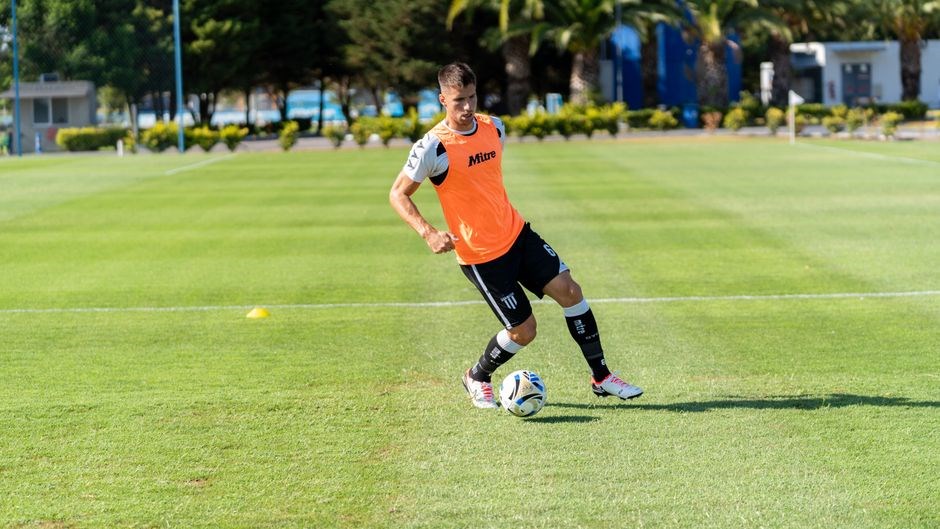
Key Components of Conditioning
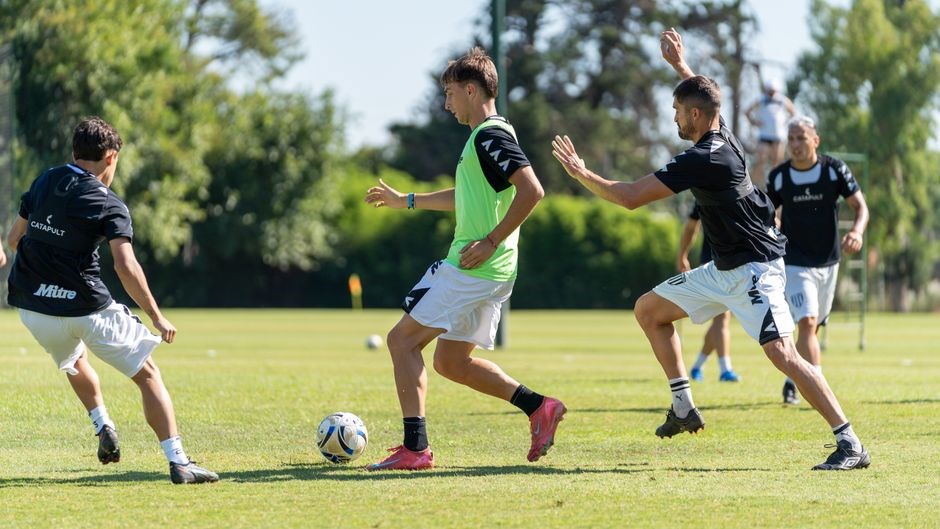
Key conditioning elements in a PDF program include periodization‚ progressive overload‚ monitoring metrics‚ and recovery protocols. Structured phases balance strength‚ speed‚ and endurance‚ while data logs enable precise load management and injury prevention. Boosts tactical sharpness and game aware now
Periodization‚ Progression‚ and Monitoring
In a soccer conditioning PDF‚ periodization is the backbone that structures training into macro‚ meso‚ and microcycles. Macrocycles span the entire season‚ mesocycles cover weeks or months‚ and microcycles focus on daily sessions. By mapping load‚ intensity‚ and volume‚ coaches can align physical peaks with key fixtures‚ ensuring players are fresh for crucial matches. Progression is implemented through systematic increases in resistance‚ sprint distance‚ or plyometric height‚ respecting the principle of progressive overload. Coaches use linear or undulating models‚ adjusting variables such as repetition count‚ load percentage‚ or recovery intervals; Monitoring tools—heart‑rate monitors‚ GPS trackers‚ and subjective wellness surveys—capture real‑time data‚ allowing immediate tweaks to training load. A PDF program typically includes a load chart‚ a weekly template‚ and a progression log. The load chart displays target heart‑rate zones‚ lactate thresholds‚ and perceived exertion levels‚ while the weekly template breaks down warm‑up‚ main set‚ and cool‑down. The progression log records actual performance metrics‚ enabling comparison against planned values. By integrating these elements‚ the PDF ensures that athletes experience controlled stimulus‚ avoid overtraining‚ and achieve measurable performance gains. Continuous monitoring also flags early signs of fatigue or injury risk‚ prompting preventive interventions. This data‑driven approach transforms a generic workout into a personalized‚ evidence‑based roadmap that maximizes athletic development throughout the season. The structured progression also incorporates periodized rest days‚ where active recovery sessions such as light jogging or mobility work are scheduled to promote blood flow and muscle repair. Additionally‚ the PDF outlines criteria for advancing to the next phase‚ such as achieving a specific VO2 max improvement or a target sprint time reduction. Coaches can adjust the plan mid‑cycle if monitoring data indicates a plateau or decline‚ ensuring the program remains responsive to each athlete’s unique response. Ultimately‚ the PDF serves as a living document that evolves with the athlete‚ fostering a culture of continuous improvement and data‑backed decision making.

Warm-Up Protocols
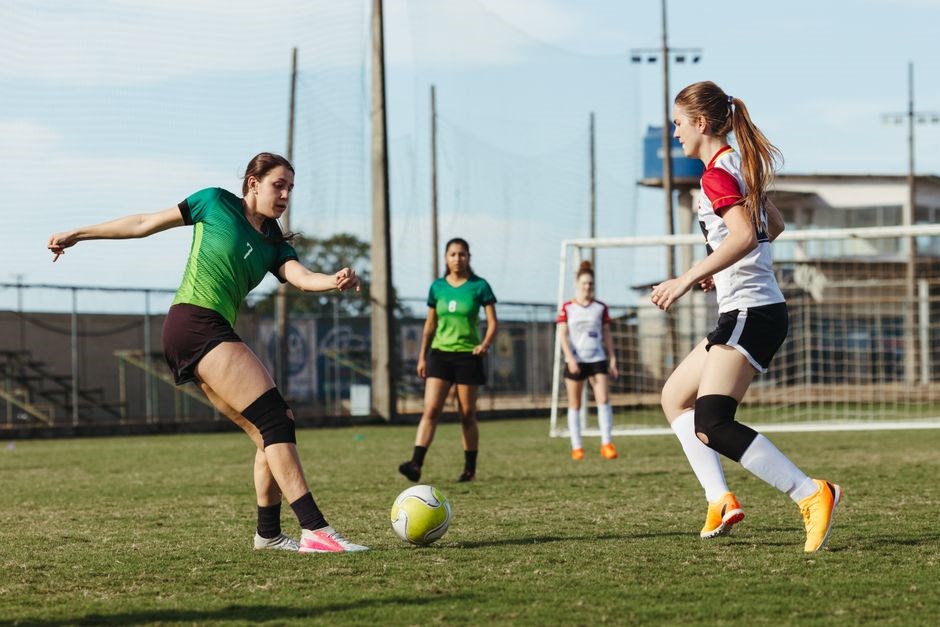
Dynamic mobility drills activate key joints‚ while activation exercises target hip flexors‚ glutes‚ and core. Light jogs‚ high knees‚ butt kicks‚ and ladder drills raise core temperature‚ improve neuromuscular readiness‚ and reduce injury risk before high‑intensity play.Ready
Dynamic Mobility and Activation Drills
Before any high‑intensity session‚ a structured warm‑up in PDF format should begin with joint‑specific mobility work. Start with 5–10 minutes of light aerobic activity—jogging‚ lateral shuffles‚ or skipping—to raise core temperature. Follow with dynamic stretches that target the hip‚ knee‚ ankle‚ and thoracic spine. A typical sequence includes leg swings (front‑to‑back and side‑to‑side)‚ walking lunges with a torso twist‚ inchworms‚ and high‑knee marches. These movements increase range of motion‚ enhance blood flow‚ and prepare the neuromuscular system for explosive actions.
Activation drills then engage the stabilizing musculature that supports soccer performance. Incorporate glute bridges‚ clamshells‚ and lateral band walks to recruit gluteus medius and maximus. Add single‑leg balance exercises such as single‑leg deadlifts or pistol squat progressions to reinforce proprioception. Core activation is critical; perform planks‚ side planks‚ and bird‑dog variations to strengthen the transverse abdominis and lumbar extensors. These drills reduce the risk of hamstring strains and lower‑back pain during cutting and sprinting.
Integrate sport‑specific movement patterns by adding short‚ controlled sprints (10–15 meters) with full acceleration and deceleration. Use cone drills that require rapid direction changes‚ mimicking on‑field demands. Finally‚ finish with a brief dynamic cool‑down—gentle strides and light stretching to maintain flexibility and prepare athletes for the upcoming training block.
Embed these drills in a PDF to train smarter and reach peak.
Strength Training Elements
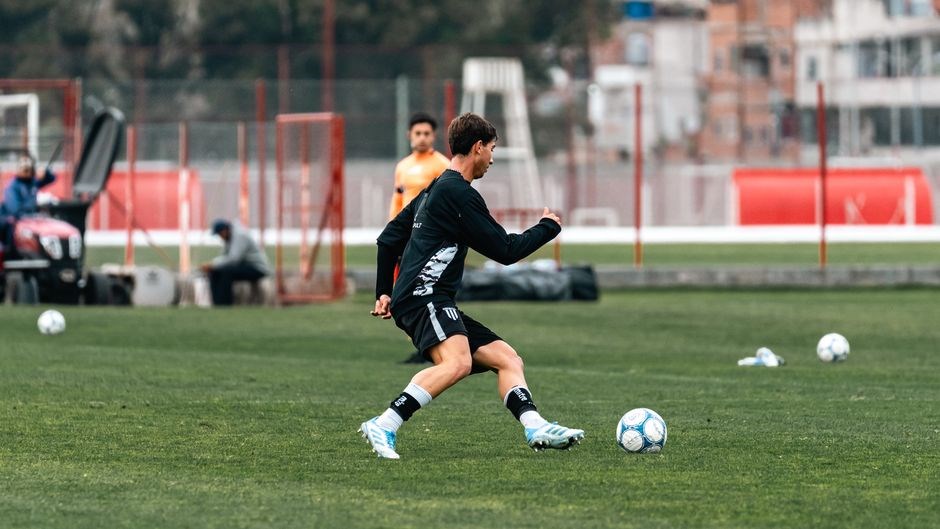
Strength training in a soccer PDF program focuses on compound lifts‚ plyometrics‚ and core work. Include squats‚ lunges‚ and deadlifts for lower‑body power. Add box jumps and medicine‑ball throws for explosive strength. Core drills like planks and Russian twists enhance stability‚ reducing injury risk
Resistance‚ Plyometrics‚ and Core Stability
Resistance training builds the muscular foundation needed for explosive actions on the pitch. In a PDF program‚ athletes perform barbell back squats‚ front squats‚ and Romanian deadlifts to strengthen the quads‚ hamstrings‚ and glutes. Lower‑body power is amplified through plyometric drills such as depth jumps‚ bounding‚ and single‑leg hops‚ which train the stretch‑shortening cycle and improve vertical leap. Upper‑body strength is maintained with push‑ups‚ pull‑ups‚ and dumbbell rows to support ball‑handling and collision resilience. Core stability is addressed through a rotation of planks‚ side planks‚ and medicine‑ball rotational throws‚ targeting the transverse abdominis and obliques. A structured progression—starting with body‑weight exercises‚ advancing to weighted movements‚ and incorporating unilateral work—ensures continuous overload while mitigating injury risk. The PDF layout allows coaches to schedule sessions‚ monitor load‚ and adjust volume based on athlete feedback‚ fostering a data‑driven approach to performance enhancement.
By integrating periodized load curves‚ athletes can peak at crucial fixtures while preventing overreaching. The PDF program outlines weekly macrocycles‚ mesocycles‚ and microcycles‚ each with specified volume and intensity. Coaches can adjust resistance percentages‚ plyometric repetition schemes‚ and core stabilization frequency based on real‑time performance metrics‚ ensuring optimal adaptation and sustained athletic longevity. for resilience now
Cardiovascular Conditioning
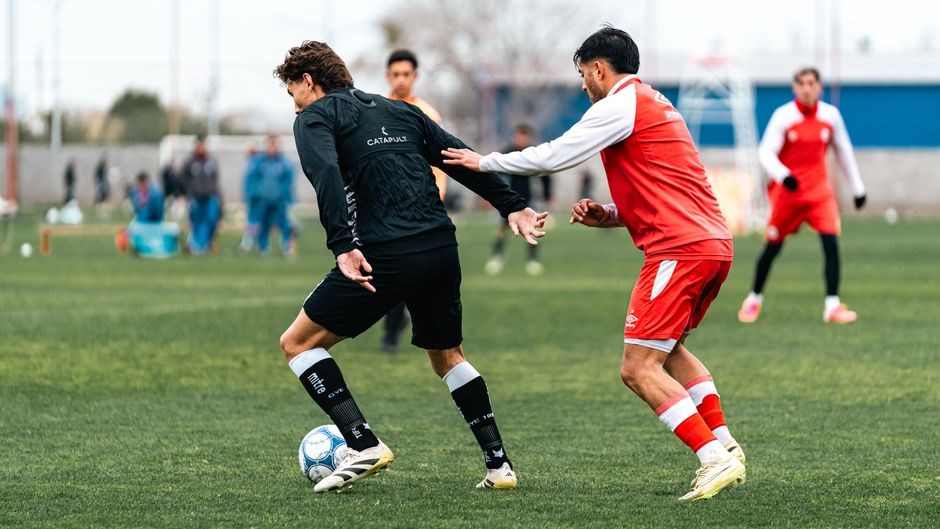
HIIT sessions—30‑s sprints‚ 60‑s jogs—boost anaerobic power. 45‑min tempo runs build aerobic endurance‚ keeping players energized and improving recovery. Structured cool‑downs aid recovery‚ reduce soreness‚ and maintain peak readiness!!.Players recover faster now!.
High-Intensity Interval Training and Endurance Workouts
In a soccer conditioning PDF‚ high‑intensity interval training (HIIT) is a cornerstone for building anaerobic capacity and match‑specific stamina. A typical HIIT block in the program might involve 10–12 repetitions of 30‑second all‑out sprints‚ followed by 60‑second active recovery jogs or dynamic walking. The short‚ explosive bursts mimic the repeated accelerations and decelerations that occur during a 90‑minute match‚ while the recovery periods train the cardiovascular system to clear lactate efficiently. Coaches can adjust the sprint distance (50–100 m) and recovery pace to match the player’s fitness level‚ ensuring progressive overload without over‑reaching.
Endurance workouts complement HIIT by developing the aerobic base required for sustained performance. The PDF outlines 45‑minute tempo runs at 70–80 % of maximum heart rate‚ interspersed with 5‑minute intervals at 90–95 % to simulate the final third of a game. Long‑distance runs (60–90 min) at 60–70 % HR are scheduled once a week to enhance mitochondrial density and improve fat oxidation. By integrating both HIIT and endurance sessions‚ the program creates a balanced conditioning regime that boosts VO₂max‚ reduces fatigue‚ and supports rapid recovery between matches.
Tracking progress is facilitated by the PDF’s built‑in log sheets. Players record sprint times‚ heart‑rate responses‚ and perceived exertion‚ allowing coaches to fine‑tune interval lengths and recovery durations. This data‑driven approach ensures that each athlete’s conditioning evolves in line with their performance goals‚ ultimately translating into faster sprints‚ stronger finishes‚ and a lower injury risk on the field. Weekly assessments benchmark progress daily.
Skill-Specific Drills
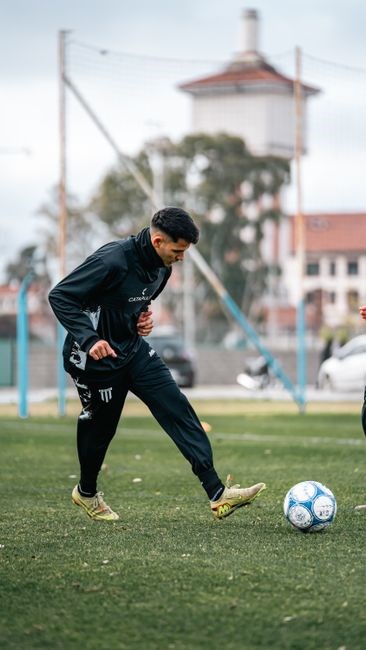
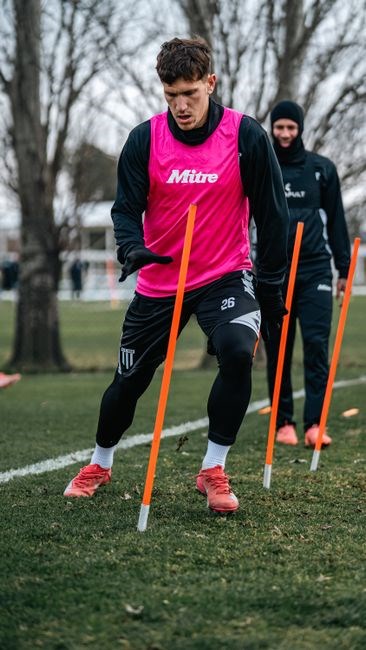
Skill‑specific drills in a soccer conditioning PDF focus on agility‚ ball control‚ and tactical movement. Players perform cone zig‑zags‚ dribble circuits‚ and positional shadowing to enhance coordination and decision‑making under fatigue. The program logs progress for continuous improvement. for growth.!!
Agility‚ Ball Control‚ and Tactical Movement
In a soccer conditioning PDF‚ agility drills are designed to sharpen quick directional changes‚ using ladder runs‚ cone zig‑zags‚ and reactive shadowing that mimic match scenarios. Ball‑control segments feature dribbling circuits‚ tight‑space rondos‚ and 1‑v‑1 pressure drills that improve first touch and spatial awareness. Tactical movement sessions incorporate positional play‚ off‑the‑ball runs‚ and transitional drills that teach players to read the game‚ maintain shape‚ and exploit space. Each module includes progressive overload‚ video cues‚ and performance metrics‚ allowing coaches to track improvement and adjust intensity. The PDF format ensures portability‚ easy updates‚ and a structured progression that aligns with weekly training cycles‚ making it a practical tool for clubs and individual athletes seeking measurable gains in agility‚ control‚ and tactical execution.
The PDF layout offers modular templates‚ allowing coaches to assign specific drills to each training day. It includes warm‑up sequences‚ core conditioning blocks‚ and cooldown routines‚ all embedded with time stamps and intensity markers. By tracking session load‚ athletes can maintain optimal fatigue levels‚ ensuring peak performance during competitive matches. The program also features video demonstrations and coaching notes that clarify technique nuances‚ fostering consistency across teams.
The PDF’s weekly load chart balances high‑intensity sessions with recovery days‚ ensuring athletes peak at the right moments and sustain performance throughseason.
Recovery and Injury Prevention
Recovery modules in a soccer conditioning PDF emphasize foam rolling‚ dynamic stretches‚ and periodized rest. Athletes log daily soreness‚ use guided cooldowns‚ and schedule active recovery days. Injury‑prevention charts track load‚ ensuring balanced muscle development and reduced risk Weekly updates
Stretching‚ Foam Rolling‚ and Periodic Rest
In a soccer conditioning PDF‚ the recovery section is a cornerstone for sustaining peak performance and minimizing injury risk. The document outlines a systematic approach that begins with calves‚ hip flexors‚ and adductors. Each stretch is prescribed with duration‚ frequency‚ and progression cues‚ ensuring athletes gradually increase flexibility without compromising joint integrity!
Foam rolling is integrated as a self‑myofascial release technique. The PDF includes a step‑by‑step guide for rolling the IT band‚ glutes‚ lower back‚ and upper back‚ with emphasis on pressure modulation and dwell time. By reducing muscle tightness and improving tissue elasticity‚ players experience quicker recovery between high‑intensity intervals and match play.
Periodic rest is scheduled through a periodized load matrix. The program differentiates between active recovery days—light jogs‚ mobility drills‚ or low‑intensity ball work—and complete rest days that allow full physiological restoration. The PDF provides a visual calendar‚ color‑coded to indicate load intensity‚ ensuring coaches can monitor cumulative fatigue and adjust training accordingly.
Finally‚ the document encourages a holistic recovery mindset‚ recommending hydration‚ balanced nutrition‚ adequate sleep‚ and mental relaxation practices. By embedding these strategies into the PDF‚ teams can maintain consistency‚ track progress‚ and foster a culture of injury prevention that translates to on‑field success.