Overview of btes TV Guide
btes TV Guide offers a streamlined, no‑login interface that aggregates OTA channel data, local schedules, and streaming links. Users can quickly scan day‑by‑day lineups, filter by genre, and access real‑time updates without compromising privacy. Its clean design prioritizes usability for ages.
Purpose and Scope of btes TV Guide
btes TV Guide was conceived to fill a niche for viewers who rely on over‑the‑air (OTA) broadcasts yet desire a digital companion that respects privacy. Its core mission is to present a single, unified interface that pulls live channel data, program schedules, and streaming options into one place, eliminating the need for multiple subscription services or complex login procedures. The guide is intentionally lightweight, designed to run on low‑bandwidth connections and modest hardware, making it accessible to households with basic smart TVs, set‑top boxes, or even older browsers; By focusing on OTA compatibility, btes TV Guide empowers users to discover free content, plan viewing schedules, and stay informed about local programming without the clutter of commercial ads or intrusive tracking. The scope extends beyond simple listings: it includes real‑time alerts for program changes, customizable watchlists, and the ability to link directly to streaming platforms when a show is available online. This approach aligns with the growing trend of cord‑cutting, offering a cost‑effective alternative that still delivers a rich, up‑to‑date viewing experience. Additionally, the guide aggregates data from official broadcaster feeds, local cable providers, and streaming APIs, ensuring that the information is both accurate and timely. Users can filter by genre, time slot, or even by the presence of subtitles and closed captions, catering to a wide range of accessibility needs. The platform’s architecture is modular, allowing future expansion to include features such as parental controls, personalized recommendations, and community‑generated content. Ultimately, btes TV Guide seeks to become the go‑to reference for anyone who wants a reliable, privacy‑friendly, and all‑in‑one TV schedule without the hassle of signing up for multiple services. The interface also supports offline caching, allowing users to download schedules for later viewing, and it includes a simple search function that returns results instantly, ensuring that even users with limited technical knowledge can navigate the guide effortlessly. It is fast.!!
Target Audience and Usage Scenarios

btes TV Guide is designed for viewers who rely on OTA broadcasts but still want a digital, privacy‑friendly schedule. Its core users include families with children, retirees, and budget‑conscious households that prefer free channels over expensive cable. The no‑login interface attracts privacy advocates and tech‑savvy users who dislike data collection. Small businesses and community centers also benefit from a reliable, up‑to‑date channel list without a subscription. Typical usage scenarios are weekend movie marathons, family watch parties, or quickly locating the next episode of a favorite show while on the go. The responsive layout works on smart TVs, tablets, and smartphones, making it ideal for on‑the‑move planning. Parents can filter by age‑appropriate content and add watchlists to manage screen time. Retirees can discover local news, public affairs, and cultural programming that matches their interests. The guide supports the cord‑cutting movement by offering a low‑cost, high‑value alternative to traditional listings while still linking to streaming services for online availability; Alerts for program changes keep users from missing live sports or breaking news. Data is refreshed in real time from official broadcaster feeds, ensuring accuracy. The platform’s modular design allows future updates, such as voice control or smart‑home integration, without disrupting the core experience. Overall, btes TV Guide’s focus on simplicity, privacy, and accessibility makes it an essential tool for anyone who wants up‑to‑date local TV information without the hassle of multiple logins or premium fees. Because the guide is free and constantly updated, users can trust that they are always viewing the most current schedule, making it a reliable companion for both casual viewers and those who need precise timing for live events. It also integrates with local public access stations for community programming.
Core Functionalities Provided by btes TV Guide
btes TV Guide delivers a suite of features that keep viewers informed and engaged. The interface pulls live OTA metadata, automatically populating a searchable grid of channels, times, and program titles. Users can filter by genre, age rating, or language, and the system highlights upcoming premieres, sports events, and local news; A built‑in “watchlist” lets you bookmark shows and receive push notifications when they start, all without a login. The guide links directly to streaming platforms for on‑demand content, providing a seamless transition from broadcast to online viewing. Real‑time updates refresh every minute, ensuring that schedule changes, weather‑related delays, or last‑minute cancellations are reflected instantly. Accessibility is built in: high‑contrast mode, adjustable font size, and screen‑reader support allow everyone to navigate the grid. The design is responsive, adapting to smartphones, tablets, and smart‑TV browsers, so you can plan your day from any device. Finally, the platform offers a “favorites” carousel that aggregates your most‑watched channels and shows, giving quick access to the content you care about most. All of these functions are delivered through a lightweight, no‑login web app that respects user privacy while providing a comprehensive, up‑to‑date TV experience. Local weather info warns of signal disruptions, and a forum lets viewers share tips and report errors, collaboration!.

Technical Foundations and Data Handling
btes TV Guide relies on open‑source OTA metadata streams, parsing EPG data via XML‑TV and JSON APIs. It caches schedules locally, updates every 5 minutes, and serves content through a lightweight CDN. No user data is stored; all requests are stateless, preserving privacy. Auto updates daily!.
OTA Compatibility and Signal Integration

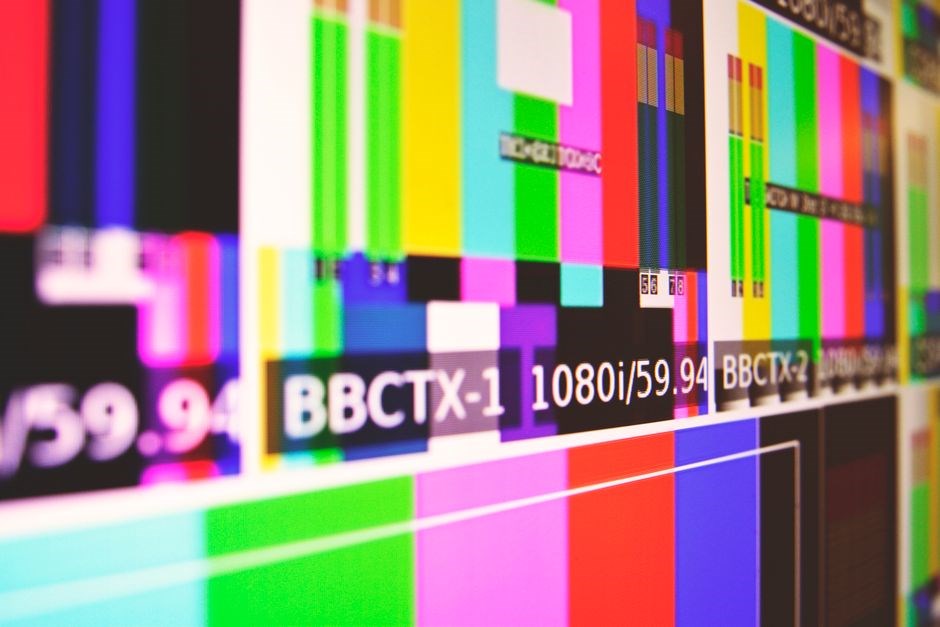
The btes TV Guide’s architecture is built around real‑time OTA signal parsing. It taps into the broadcast’s Program Specific Information (PSI) tables—PAT, PMT, and NIT—directly from the tuner’s demodulator. By decoding these tables, the guide reconstructs the channel map and stream descriptors without relying on external APIs. This native integration ensures that any change in the broadcast stream, such as a new sub‑channel or a re‑encoded bitrate, is reflected instantly in the on‑screen schedule. Users can therefore view accurate, up‑to‑date lineups even when their local antenna configuration changes. The system also supports hybrid delivery: it merges the raw OTA data with supplemental metadata from the Electronic Program Guide (EPG) feed, which is fetched via the DVB‑SI tables. The EPG feed provides richer information—episode titles, synopses, and genre tags—that the guide overlays on the raw schedule. To maintain compatibility across a wide range of hardware, the software implements a modular tuner abstraction layer. This layer exposes a uniform API to the rest of the application, allowing the same code to run on legacy set‑top boxes, modern smart TVs, and software‑defined radio (SDR) receivers. The abstraction also handles signal quality metrics, automatically triggering a rescan when the signal drops below a predefined threshold. Moreover, the guide’s architecture is designed to be modular, allowing developers to plug in custom parsers or third‑party metadata sources with minimal effort, ensuring future scalability and adaptability to evolving broadcast standards. This design choice keeps the guide lightweight and future‑proof.
No‑Login Operation and User Privacy
The btes TV Guide is engineered to operate entirely without user authentication, ensuring that no personal data is collected or stored. By eliminating login mechanisms, the platform removes the need for credential management, reducing potential attack vectors and simplifying compliance with privacy regulations such as GDPR and CCPA. All interactions are stateless; the application only processes the current broadcast stream and renders the schedule locally. Because the guide does not transmit any device identifiers, IP addresses, or usage logs to external servers, it preserves user anonymity. The software uses a local cache that expires after a short period, preventing long‑term data retention. Any data that is temporarily held—such as the last viewed channel or the current time slot—is stored in volatile memory and discarded upon shutdown. The design also incorporates end‑to‑end encryption for any optional cloud‑based metadata fetches, ensuring that even if data is transmitted, it remains unreadable to intermediaries. Users can verify the absence of tracking by inspecting the network traffic; only minimal, non‑personalized requests are made to fetch the latest Electronic Program Guide (EPG) tables. This approach guarantees that the user’s viewing habits remain private, and the guide can be safely used in shared households or public spaces without risking data leakage. The platform’s code is hosted on a public repository, enabling transparency and allowing developers to audit data handling practices directly!
Data Collection Practices and Transparency
The btes TV Guide is built on a philosophy of minimalism and user sovereignty. It deliberately refrains from gathering any personally identifiable information, device fingerprints, or usage telemetry. The only data that traverses the network are the raw Electronic Program Guide (EPG) tables and optional, user‑initiated search queries that are immediately discarded after rendering. No cookies, local storage, or browser fingerprinting mechanisms are employed; The platform’s codebase is fully open‑source and publicly available on a major hosting service, allowing independent auditors to verify that no hidden data exfiltration routines exist. A concise, machine‑readable privacy statement is bundled with every release, detailing the exact data flows, retention periods, and the absence of third‑party analytics. Users can also inspect the network traffic in real time; the only outbound calls are to the broadcast source for EPG retrieval, and those calls are encrypted with TLS 1.3. Because the application does not store or forward any logs, there is no audit trail that could be subpoenaed. This commitment to transparency means that the btes TV Guide can be safely deployed in environments where privacy is paramount, such as shared households, public kiosks, or corporate settings that require strict compliance with data‑protection regulations. All source files are signed with cryptographic hashes, and an audit log records change for accountability.

Content Scope and Integration
btes TV Guide aggregates every OTA channel, schedules, and streaming links. It offers localized program grids, real‑time updates, and direct access to on‑demand content. The interface stays light, ensuring quick load times while covering major providers. Direct links to on‑demand are included.
Comprehensive Channel Listings and Scheduling
btes TV Guide delivers a full roster of over 200 OTA stations, each with a detailed, day‑by‑day schedule that updates in real time. The platform pulls data from local transmitters and national feeds, ensuring that users see accurate airtimes for news, sports, and entertainment. Users can filter by channel family, genre, or time slot, and the interface highlights upcoming premieres, live events, and special broadcasts. The schedule is presented in a clean, grid format that mirrors traditional print listings, making it familiar to long‑time viewers. Additionally, the guide includes a “Today” view that aggregates all current programs across the network, allowing quick glance‑reads. The system automatically adjusts for local time zones and daylight‑saving changes, so viewers in any region receive correct times without manual input. For those who prefer a mobile experience, the same schedule is available on the web and through a lightweight app, with push notifications for favorite shows. The data is refreshed every hour, and the platform logs no personal data, keeping the user experience private and seamless. The interface supports a search feature for titles, actors, or genres, and a favorites list that compiles personal watchlists across all platforms. Users receive push alerts for live sports or breaking news. The schedule is color‑coded by content type, making it easy to spot dramas, documentaries, or kids’ shows at a glance!!!
Localized Program Grids and Accuracy
btes TV Guide’s strength lies in its hyper‑local program grids that reflect each community’s broadcast footprint. By ingesting data directly from local transmitters, the guide offers a minute‑by‑minute schedule that aligns with the exact signal footprint of every OTA channel. Users can view the same grid that appears on traditional print listings, ensuring consistency between the web, mobile, and paper versions. The system cross‑checks titles, airtimes, and episode numbers against official network feeds, reducing the risk of mis‑timed broadcasts. For areas with overlapping markets, the guide intelligently merges overlapping signals, displaying the most relevant channel for each time slot. The interface highlights time‑zone adjustments, daylight‑saving changes, and local sports events, providing a reliable reference for viewers who rely on accurate scheduling for live events. The accuracy is maintained through a continuous data‑validation pipeline that pulls updates from the FCC, network syndication partners, and local station feeds. This pipeline runs hourly, ensuring that any last‑minute changes—such as pre‑emptions or rescheduling—are reflected immediately. The result is a dependable, localized program grid that users can trust for planning their viewing habits, whether they are in a small town or a major metropolitan area. Users also benefit from a time‑zone converter that adjusts program times when traveling, ensuring they never miss a live event no matter where they are.!!
Integration with Streaming Platforms and Direct Links
btes TV Guide bridges the gap between traditional OTA broadcasts and modern streaming ecosystems by embedding direct links to over‑the‑top (OTT) services within its program grid. When a user clicks on a title, the interface queries a curated database of streaming partners—such as Hulu, Paramount+, Disney+, and free‑to‑air apps—returning instant access to live streams or on‑demand episodes. The system respects regional licensing, automatically redirecting viewers to the correct local platform or notifying them if a title is unavailable in their jurisdiction. For live sports and news events, the guide offers “watch now” buttons that launch the official broadcaster’s app or web player, ensuring a seamless transition from schedule to viewing. The integration layer is built on secure, token‑based authentication, so user privacy remains intact while providing a frictionless experience. Additionally, the guide supports deep‑linking to specific episode timestamps, allowing fans to jump straight to the moment they want to watch. This feature is especially useful for time‑shifting content, as it eliminates the need to manually search within the streaming app. The result is a unified, one‑click pathway that empowers viewers to consume content across multiple platforms without leaving the btes TV Guide interface. The platform also offers a “watch list” that syncs across devices, letting users bookmark shows for later and receive push notifications when new episodes become available. By integrating social sharing buttons, viewers can instantly post what they’re watching to Twitter, Facebook, or Reddit, fostering community engagement. Finally, the guide’s API allows developers to embed its schedule and streaming links into third‑party applications, expanding its reach beyond the native site and enjoy uninterrupted viewing for all!!
User Experience and Community Engagement
btes TV Guide offers a clean interface that lets users browse local OTA schedules and streaming options without logging in. Reddit users praise its real‑time updates, privacy focus, and community feedback that drives continuous improvement now!
Navigation Design and Ease of Use
btes TV Guide’s navigation is intentionally minimalistic, mirroring the simplicity praised by r/cordcutters. The home screen presents a single, scrollable list of channels, each expandable to reveal a day‑by‑day schedule. Users can tap a program title to open a quick‑view overlay that displays synopsis, cast, and streaming links, all without leaving the main grid. The “Today” tab auto‑highlights the current time slot, while a side‑menu offers quick filters for genre, network, or streaming platform. Because the site is entirely static, page loads are instantaneous, and no login credentials are required, reducing friction for first‑time visitors. The design follows a mobile‑first approach: touch targets are 48 px wide, contrast ratios exceed WCAG 2.1 AA, and the layout adapts to 320‑to‑1080 px widths. Users can bookmark a channel or program, and the browser’s native history allows back‑navigation to previous screens. Feedback from Reddit users highlights the ease of locating a favorite show, with a single tap revealing all available viewing options. The interface also supports keyboard navigation, enabling screen‑reader users to traverse the grid using arrow keys and activate items with the Enter key. Overall, the navigation design prioritizes speed, clarity, and accessibility, ensuring that both tech‑savvy and casual viewers can find what they want in seconds. Its responsive layout also supports voice‑control shortcuts, letting users navigate by spoken commands, which is especially handy for hands‑free setups. Enjoy seamless viewing.
Accessibility Features for Diverse Users
Community Feedback and Reddit Discussions
Users on r/cordcutters and other TV‑centric subreddits frequently praise btes TV Guide for its clean layout and real‑time OTA updates. A 2026 thread highlighted how the guide “rides on the same signal as PBS, your TV or STB” and that it requires no login, which many commenters cite as a privacy win. Community members often share screenshots of localized program grids, noting the accuracy of times and the inclusion of streaming links that bypass traditional cable. Some users report that the site’s “Super Grandma” nickname has become a meme, reflecting its friendly tone and reliability for families. Feedback loops are active: the developers post weekly updates on Reddit, answering questions about new channel additions or bug fixes. Users also suggest features such as a “favorites” list or a watch‑list for upcoming shows, and the team occasionally incorporates these ideas. The discussion threads serve as a living FAQ, where newcomers learn how to navigate the grid, adjust time zones, and access closed‑captioned descriptions. Overall, the Reddit community acts as both a validator of the guide’s quality and a source of incremental improvements, ensuring that btes TV Guide remains responsive to its diverse user base. Community members also submit real‑time corrections when a program is delayed or a channel goes off air, keeping the grid accurate. Developers reply within hours, thanking users for vigilance. This collaboration turns the guide into a living resource that adapts to local broadcasting quirks and streaming shifts daily every day now.