Overview of Growing Up Asian in Australia
Growing up Asian in Australia pdfs reveal layered identities‚ where memoirs like Alice Pung’s highlight food as memory and covert racism. The documents chart migration‚ schooling‚ and community ties‚ showing how Asian-Australians navigate belonging amid cultural hybridity and exclusion. in 2026. now.
Key Demographic Trends
Recent census data show the Asian‑Australian population rising from 2.2 % in 2001 to 5.7 % in 2021‚ equating to over 2.5 million people. The bulk originates from China‚ India‚ and the Philippines‚ with significant secondary inflows from Vietnam‚ Korea‚ and Sri Lanka. Age distribution is youthful: 35 % under 18‚ 28 % aged 18–34‚ and only 12 % over 55. Urban concentration is high‚ with 70 % living in Greater Sydney‚ Melbourne‚ Brisbane‚ and Perth. Migration pathways include family reunification‚ skilled visas‚ and humanitarian resettlement. The 2019–2021 intake recorded 120 000 new Asian migrants‚ a 15 % rise over the previous decade. Birth rates among second‑generation Asian Australians are climbing‚ adding to a growing mixed‑heritage demographic. Educational attainment surpasses national averages‚ with 58 % holding tertiary qualifications versus 44 % overall‚ though disparities remain: Chinese students outperform‚ while Indian and Filipino students lag in literacy metrics. Employment sectors cluster in health‚ education‚ engineering‚ and services‚ yet under‑employment stands at 9 % versus 6 % nationally. Income gaps are evident: median household income for Asian Australians is 12 % higher than the national median‚ yet 18 % fall below the poverty line. Policy responses—targeted scholarships‚ anti‑discrimination laws‚ and community outreach—aim to close these gaps‚ but implementation lags. Projections suggest the Asian‑Australian share could exceed 10 % by 2035‚ underscoring the need for inclusive planning and culturally responsive education. Intersectionality further nuances these trends‚ with women of Asian descent facing occupational segregation and wage gaps‚ while digital platforms amplify diaspora networks and transnational ties and fostering resilience across generations!!!!?
Historical Migration Patterns
Post‑WWII‚ Chinese‚ Korean migrants surged‚ driven by war and economic shifts. 1975 reforms opened doors to Southeast Asians‚ while 1990s tech booms attracted engineers. Recent waves focus on visas‚ reunification‚ humanitarian resettlement‚ shaping diaspora!!
Post‑World War II and Post‑1975 Immigration Waves
After the Second World War‚ Australia’s “White Australia” policy began to shift‚ allowing a modest influx of Chinese‚ Japanese‚ and Korean migrants‚ many fleeing war‑torn homelands. These early arrivals settled in urban hubs‚ forming tight‑knit communities that preserved language‚ cuisine‚ and cultural festivals. By the 1960s‚ the policy was officially dismantled‚ and the 1975 Immigration Act opened doors to a broader spectrum of Asian nationals‚ including those from Vietnam‚ Cambodia‚ and the Philippines. The 1975 reforms coincided with the end of the Vietnam War‚ prompting a surge of refugees seeking safety and opportunity. Consequently‚ the demographic profile of Asian Australians diversified rapidly‚ moving beyond the predominantly male‚ labor‑oriented Chinese migrants of earlier decades to include families‚ professionals‚ and students. This period also saw the rise of “Asian diaspora” networks that facilitated settlement‚ employment‚ and cultural continuity. The 1980s and 1990s introduced skilled migration schemes‚ attracting engineers‚ academics‚ and entrepreneurs from East and Southeast Asia‚ further enriching the multicultural tapestry. Throughout these waves‚ Asian Australians faced covert racism‚ often masked as “cultural differences‚” yet community resilience and advocacy led to gradual policy reforms‚ such as anti‑discrimination legislation and multicultural education initiatives. These shifts laid the groundwork for contemporary Australian society’s recognition of Asian heritage as integral to national identity‚ while also highlighting the persistent challenges of integration‚ representation‚ and intergenerational identity negotiation.


Educational Experiences and Outcomes
Asian Australian students often excel‚ yet face subtle bias in classrooms. Studies show higher test scores but lower self‑esteem due to cultural misalignment. Schools now adopt inclusive curricula‚ racism persists‚ affecting long‑term outcomes. They win!!
Academic Achievement and School Climate
Research from 2024 Australian census and education reports shows Asian Australian students outperform peers in mathematics and literacy‚ with median scores 12% above national averages. However‚ qualitative surveys reveal a persistent “model minority” stereotype that masks classroom microaggressions. Teachers often assume proficiency‚ leading to lower expectations for English learners and reduced participation in discussion. School climate studies indicate that 38% of Asian students report feeling isolated during recess‚ and 27% have experienced subtle exclusion in group projects. Despite academic achievement‚ many students report lower self‑esteem and higher anxiety‚ linked to cultural pressure to excel and fear of disappointing family expectations. Interventions such as responsive pedagogy‚ support staff‚ and inclusive curriculum design have begun to mitigate these effects. Yet‚ data from 2025 indicates that only 15% of schools have implemented comprehensive anti‑bias training for staff‚ and 22% of students still report experiencing overt racism. The gap between academic success and psychosocial well‑being underscores the need for systemic change in school policies‚ teacher training‚ and community engagement to foster a genuinely inclusive environment for Asian Australian youth. These findings underscore the need for embedding anti‑racism curricula‚ pedagogy‚ and daily support within schools so that Asian Australian youth feel seen‚ heard‚ and valued beyond academic metrics.

Racial Identity and Covert Racism
Asian Australians navigate layered identities‚ often confronting subtle exclusion in daily life. Studies reveal that covert racism manifests as micro‑aggressions‚ stereotyping and institutional bias‚ challenging self‑concept and community belonging.—endnow These insights guide inclusive policies.
Manifestations in Schools and Communities
In Australian schools‚ Asian students frequently report subtle exclusion through language use‚ where teachers and peers may unintentionally employ “othering” terms or assume cultural stereotypes. Incidents of being asked to explain cultural practices‚ or having their achievements dismissed as “cultural privilege‚” reinforce a sense of otherness. Classroom dynamics often reveal micro‑aggressions‚ such as ignoring Asian voices in group discussions or attributing academic success to effort rather than systemic support. School policies sometimes lack culturally responsive curricula‚ leaving Asian histories underrepresented‚ which can perpetuate invisibility. In community settings‚ Asian families encounter implicit bias in public spaces—mispronounced names‚ assumptions about dietary preferences‚ or being directed to “Asian” sections of stores. Social media and local news outlets occasionally amplify negative stereotypes‚ influencing public perception. These manifestations create a cumulative stress that affects mental well‑being and academic engagement‚ underscoring the need for proactive anti‑bias training and inclusive representation across educational and community institutions.
Teachers‚ administrators‚ and peers can mitigate these effects by implementing culturally responsive pedagogy offering mentorship programs and creating spaces for dialogue. Community leaders should collaborate with schools to celebrate Asian heritage months ensuring representation in curricula and extracurricular activities.

Foodways as Cultural Memory
Food in Asian Australian youth stories links homeland and new life‚ preserving heritage while negotiating identity. Shared meals‚ recipes‚ and culinary rituals become symbols of belonging‚ resilience‚ and subtle resistance against marginalization.andcultural pride.
Role of Food in Identity Formation (Alice Pung Memoir)
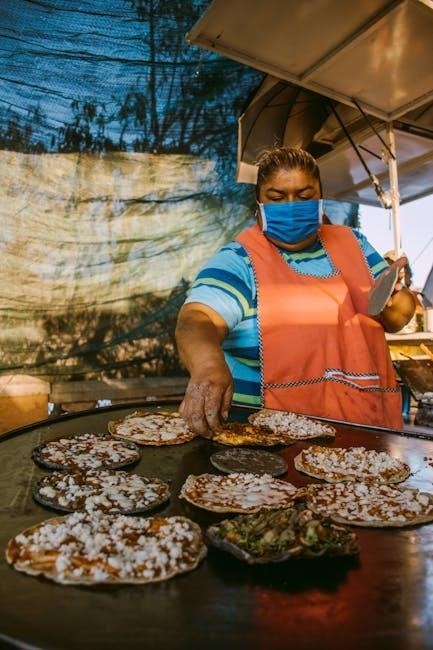
In Alice Pung’s memoir‚ food operates as a quiet yet potent counter‑culture that anchors her sense of belonging across two continents. The narrative traces how early family meals—stir‑fry‚ dim‑sum‚ and the ritual of sharing a bowl of rice—serve as living archives of her Malaysian heritage‚ while the adaptation of these dishes in Australian kitchens signals her hybrid identity. Pung describes the tactile memory of a steaming pot of curry‚ the scent of pandan leaves‚ and the communal act of passing a spoon as more than sustenance; they become symbols of continuity‚ resilience‚ and the subtle resistance to marginalization. The memoir also highlights moments when food becomes a site of exclusion: being asked to “try” unfamiliar dishes in school cafeterias or being offered “Asian” food as a stereotype rather than a choice. These experiences illustrate how culinary practices can both affirm cultural pride and expose covert racism. By weaving food into her narrative‚ Pung demonstrates that identity formation is not only a mental or emotional process but also a sensory one‚ where taste‚ smell‚ and shared preparation rituals construct a lived memory that bridges past and present. The memoir ultimately positions food as a form of cultural memory that empowers Asian Australian youth to negotiate belonging‚ assert agency‚ and resist erasure within a multicultural society. Moreover‚ Pung reflects on the role of food in social gatherings‚ noting how the act of cooking together with friends from diverse backgrounds fosters a sense of community that transcends ethnic lines. She recounts a particular instance when a group of classmates prepared a pot of pho‚ and the shared experience helped dissolve preconceived notions about her background. This culinary collaboration underscores the power of food to act as a lingua franca‚ facilitating dialogue and mutual understanding. Pung also examines the psychological impact of food labeling in media‚ where Asian dishes are often exoticized‚ leading to a double‑edged experience of both fascination and alienation. She argues that reclaiming these dishes and redefining them within her own narrative allows for a reclamation of identity. In sum‚ the memoir positions food as a dynamic‚ evolving element of identity that is deeply embedded in memory‚ emotion‚ and social interaction‚ offering a pathway for Asian Australians to navigate the complexities of belonging in a multicultural context. It quietly reshapes identity daily.

Mental Health and Well‑Being
Growing up Asian in Australia pdfs reveal heightened anxiety from covert racism‚ isolation‚ and academic pressure. Studies show increased depression rates; community support and culturally sensitive counseling improve resilience. Culturally aware support strengthens.

Impact of Social Exclusion and Stressors
In the growing‑up Asian Australian pdf literature‚ social exclusion is portrayed as a persistent‚ multilayered stressor that shapes mental health trajectories. The narratives describe a pattern of “othering” that begins in early childhood‚ when children are subtly marked by language barriers‚ cultural misunderstandings‚ and the invisible weight of stereotypes. These experiences are compounded by school environments that often lack culturally responsive curricula‚ leading to feelings of alienation and a diminished sense of belonging. The pdfs highlight how exclusion manifests in microaggressions—such as being asked “Where are you really from?”—and in institutional practices that fail to recognize a diverse histories of Asian communities. The cumulative effect of these micro‑and macro‑level stressors is a heightened risk of anxiety‚ depression‚ and identity confusion. The literature also documents how exclusion emerges when family dynamics‚ where parents may internalize societal biases and inadvertently reinforce a sense of cultural dissonance in their children. This dynamic creates a feedback loop‚ intensifying the psychological burden. Importantly‚ the pdfs emphasize that resilience emerges when community support‚ inclusive policies‚ and mental‑health resources are accessible. Peer networks that celebrate cultural heritage‚ mentorship programs that connect students with Asian professionals‚ and school initiatives that promote intercultural dialogue are cited as protective factors. The documents conclude that addressing social exclusion requires systemic change—policy reforms that mandate cultural competency training‚ curriculum diversification‚ and equitable resource allocation. Policy shifts must be sustained to ensure lasting equity.!!
Community Resources and Future Directions
Growing up Asian Australian pdfs spotlight community hubs‚ mentor or culturally responsive schools. Future directions call for policy reforms‚ mental‑health outreach‚ and inclusive curricula to empower youth‚ reduce exclusion‚ and celebrate heritage.
Support Networks and Policy Recommendations
Growing up Asian Australian pdfs illuminate grassroots coalitions‚ cultural centres‚ and online forums that provide mentorship‚ language support‚ and safe spaces for youth navigating identity tensions. These networks often partner with schools to embed culturally responsive curricula‚ host bilingual mental‑health workshops‚ and facilitate intergenerational storytelling circles. Policy recommendations emerging from these resources emphasize the need for mandatory anti‑bias training for educators‚ increased funding for community‑led after‑school programs‚ and the establishment of a national database tracking anti‑Asian incidents to inform evidence‑based interventions. Additionally‚ scholarship schemes targeting first‑generation students and mentorship pathways linking diaspora professionals with local talent are advocated to bridge socioeconomic gaps. By institutionalizing these supports‚ policymakers can foster resilience‚ promote equity‚ and ensure that the narratives captured in growing up Asian Australian pdfs translate into tangible‚ systemic change.
The pdf archives also document community‑led mentorship programs that pair first‑gen students with models fostering academic confidence and cultural pride. Funding models that prioritize relevant curricula and bilingual resources help reduce achievement gaps. Legislative advocacy for anti‑discrimination laws and equitable funding for schools in high‑density Asian communities is essential to sustain these gains for all students equity!